Running a charter fleet means navigating a web of safety regulations, flag state requirements, and insurance obligations — on top of actually managing the boats and the guests. Most operators handle compliance reactively: fix things when the surveyor flags them, update documentation when the insurer asks, replace safety equipment when it expires.
The operators who get ahead treat compliance as an ongoing system, not a pre-season checklist. This article covers what you need to know about charter fleet safety compliance, what regulators and insurers actually look for, and how modern fleet monitoring tools can simplify the entire process.
The compliance landscape for charter fleets
Charter yacht compliance requirements vary by flag state, operating area, and charter type. But several core areas apply almost universally:
Safety equipment requirements
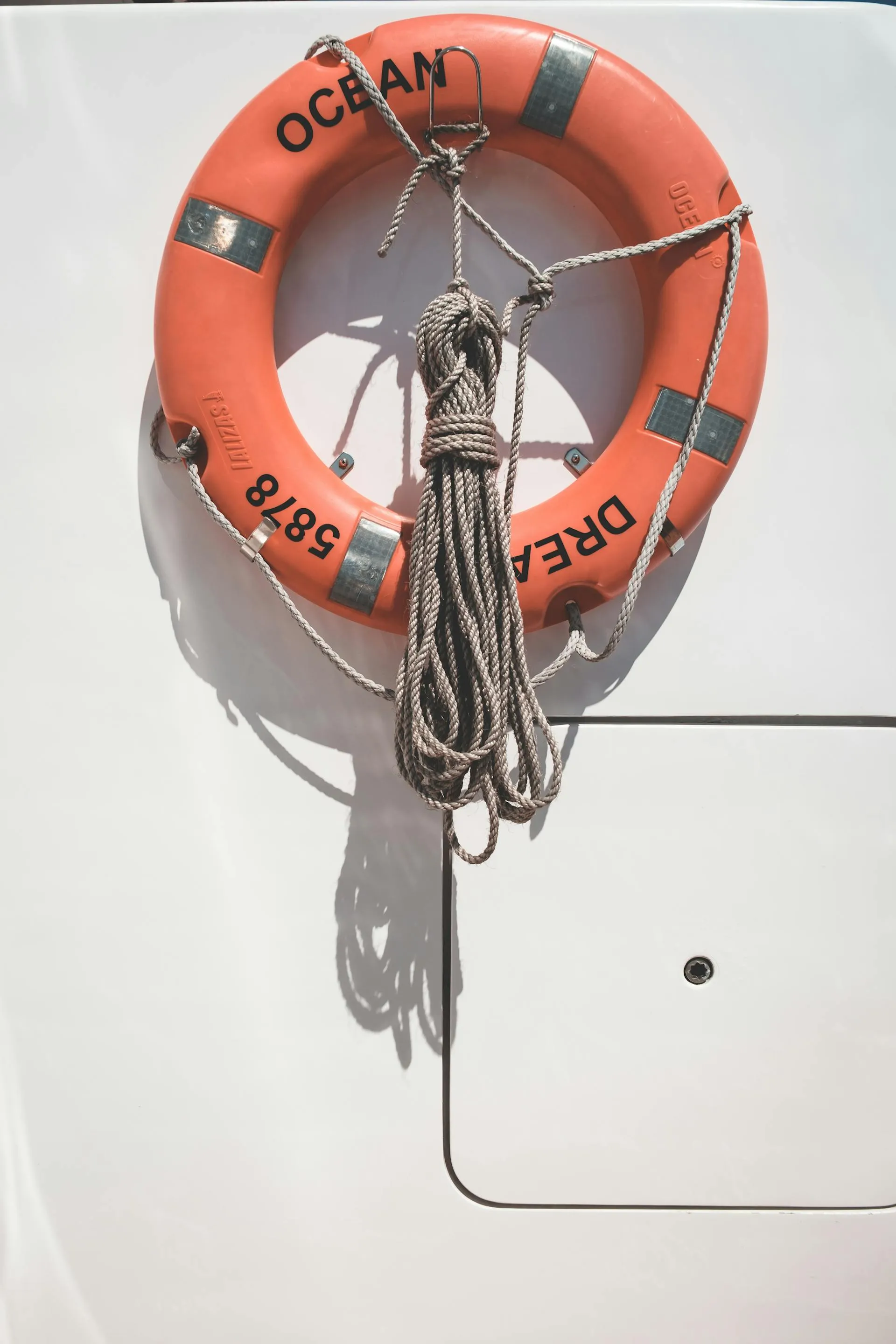
Every charter yacht needs current, inspected safety equipment. The specifics vary by jurisdiction, but the universal requirements include:
- Life rafts — Annual service certification, correct capacity for maximum crew
- EPIRBs — Registered, tested, battery current
- Fire extinguishers — Serviced, not expired, correctly mounted
- Flares — Within expiry date, correct quantity for operating area
- First aid kit — Stocked and current
- Navigation lights — Functioning, correct visibility range
- Sound signals — Horn or bell as required
The compliance challenge: With 15 boats, you’re tracking 100+ individual items with different service dates, expiry dates, and inspection schedules. A spreadsheet works until someone forgets to update a cell, and then you discover your life raft was 3 months overdue when the surveyor arrives.
Documentation and certification
Charter yachts typically require:
- Flag state registration — Current and matching the vessel details
- Insurance certificate — Covering charter operations specifically
- Radio licence — Ship station licence for VHF and SSB
- Safety certificate — Issued by flag state or classification society
- Crew certifications — Skipper qualifications where required
- Charter licence — Operating permission from the local maritime authority
Most jurisdictions require these documents to be aboard the vessel at all times. Some require them to be presented digitally to port authorities on request.
Incident reporting
Different jurisdictions have different incident reporting requirements, but the general expectation is:
- Serious incidents (grounding with hull damage, collision, injury, man overboard) must be reported to the flag state maritime authority and local coast guard
- Environmental incidents (fuel spill, sewage discharge in restricted areas) have their own reporting requirements
- Insurance incidents must be reported within the timeframe specified in your policy (often 24-48 hours)
The compliance challenge: Guest-reported incidents are often vague (“we might have touched something”) and delayed (reported at check-in, not when it happened). Without objective data, you’re filing reports based on unreliable information — which can cause problems with both regulators and insurers.
What regulators and insurers actually look for
Regulators and insurers care about the same thing: evidence that you’re managing risk systematically, not just reacting to problems.
From the regulator’s perspective
Maritime authorities are increasingly interested in:
- Operational management systems — Do you have a documented approach to safety management? For larger fleets, this may mean a formal SMS (Safety Management System). For smaller fleets, it means demonstrable procedures.
- Maintenance records — Can you show that boats are maintained to standard, not just annually but continuously?
- Incident documentation — When something goes wrong, do you have the data to understand what happened and prevent it from happening again?
- Guest safety briefing records — Can you demonstrate that every guest received adequate safety instruction?
From the insurer’s perspective
Insurers evaluate:
- Claims history and quality — Not just how many claims, but how well they’re documented. Clean claims with sensor evidence are cheaper to process and more likely to be paid quickly.
- Risk management practices — What systems do you have to prevent incidents? How do you detect them when they occur?
- Changeover and inspection processes — How do you ensure damage is caught between charters?
- Maintenance and safety equipment currency — Are boats properly maintained, or are you cutting corners?
Both groups reward operators who can demonstrate proactive management over reactive firefighting.
How fleet monitoring helps with compliance
Modern fleet monitoring systems address several compliance challenges simultaneously:
Continuous incident documentation
Instead of relying on guest reports, continuous sensor monitoring creates an objective record of every charter. Depth readings, speed data, heel angles, and weather conditions are logged throughout the voyage. When an incident occurs, the data is already there — timestamped and ready for reporting.
This helps with:
- Timely incident reporting — You know about incidents when they happen, not when the guest decides to mention them
- Accurate documentation — Sensor data is more reliable than guest recollections
- Insurance claims — Pre-packaged evidence reduces claim processing time
- Regulatory reporting — You can report incidents with precise location, time, and conditions
Automated safety monitoring
Geofencing and alert systems help enforce safety boundaries:
- No-go zones around known hazards, restricted areas, and marine reserves
- Speed limits in harbour approaches and restricted zones
- Weather alerts when conditions deteriorate beyond safe operating limits
- Draft monitoring that flags when a boat enters water too shallow for its keel
These aren’t replacements for proper guest briefings — they’re backup systems that catch what briefings miss.
Maintenance tracking integration
Fleet monitoring data can support maintenance compliance:
- Engine hours tracking — Automated logging ensures service intervals aren’t missed
- Usage patterns — Identify boats that are working harder than others and may need earlier maintenance attention
- Post-incident inspection triggers — Automatic flags for boats that experienced events requiring inspection (heavy weather, grounding alerts, excessive heel)
Audit readiness
When a surveyor, insurer, or maritime authority asks for documentation, having a digital fleet management system means:
- Instant access to incident reports, trip logs, and maintenance records
- Consistent format — Every report follows the same structure
- Historical data — Access to records from any charter, any boat, any date
- Evidence quality — Sensor data backed by timestamps, not handwritten notes
Building a compliance system that works
Step 1: Document your current state
Before implementing any system, audit what you have:
- Which boats are current on safety equipment?
- Where are your documentation gaps?
- What’s your incident reporting process?
- How do you track maintenance schedules?
Step 2: Establish baseline processes
Create standard procedures for:
- Pre-charter safety checks — Consistent checklist for every boat before every charter
- Guest safety briefings — Standardised briefing that covers boat systems, area hazards, and emergency procedures
- Changeover inspections — Documented inspection process with photo evidence
- Incident response — Clear steps for when you detect or receive a report of an incident
Step 3: Implement monitoring
Add continuous fleet monitoring to create the data layer that makes compliance systematic:
- Real-time tracking for fleet visibility
- Automatic incident detection for timely response
- Trip recording for historical documentation
- Changeover tools for structured inspection workflows
Step 4: Review and iterate
Compliance isn’t a one-time setup. Review quarterly:
- Are safety equipment service dates being tracked?
- Are incident reports complete and timely?
- Are maintenance schedules being followed?
- Are guest briefings consistent across the fleet?
The cost of non-compliance
Non-compliance has several cost layers:
- Regulatory fines — Maritime authorities can fine operators for safety equipment deficiencies, documentation gaps, and reporting failures
- Insurance complications — Claims made on a non-compliant vessel may be disputed or denied
- Operational disruption — A boat detained for compliance deficiencies is a boat that can’t charter
- Reputation damage — In a referral-driven industry, safety incidents and regulatory actions spread quickly
The cost of maintaining compliance is predictable and manageable. The cost of non-compliance is unpredictable and potentially catastrophic.
Start with what matters most
You don’t need to overhaul everything at once. Prioritise:
- Safety equipment currency — Expired equipment is the most common survey finding and the easiest to fix
- Incident documentation — The area with the highest financial impact (insurance claims)
- Guest briefing records — Protects you in liability disputes
- Maintenance tracking — The foundation of long-term fleet health
Everything else builds on these four pillars. Get them right, and compliance becomes a management task instead of a crisis response.